Altitude, Seasons and Fitness
The trail is closed for one month a year, the pass sits above 4,200 m and the weather decides how hard the walking feels. Here is what the season figures and the listings say. Month by month figures are on the best time to hike the Inca Trail.
When To Go
Sources agree that May to September is the peak dry season and that February is the wettest month, when the trail is closed for maintenance. The edges of the season are less tidy: one operator calls April and October shoulder months, another puts the rainy season at November to March, and a weather summary pushes it back to October. The table gives each month group the way the research pack reports it.
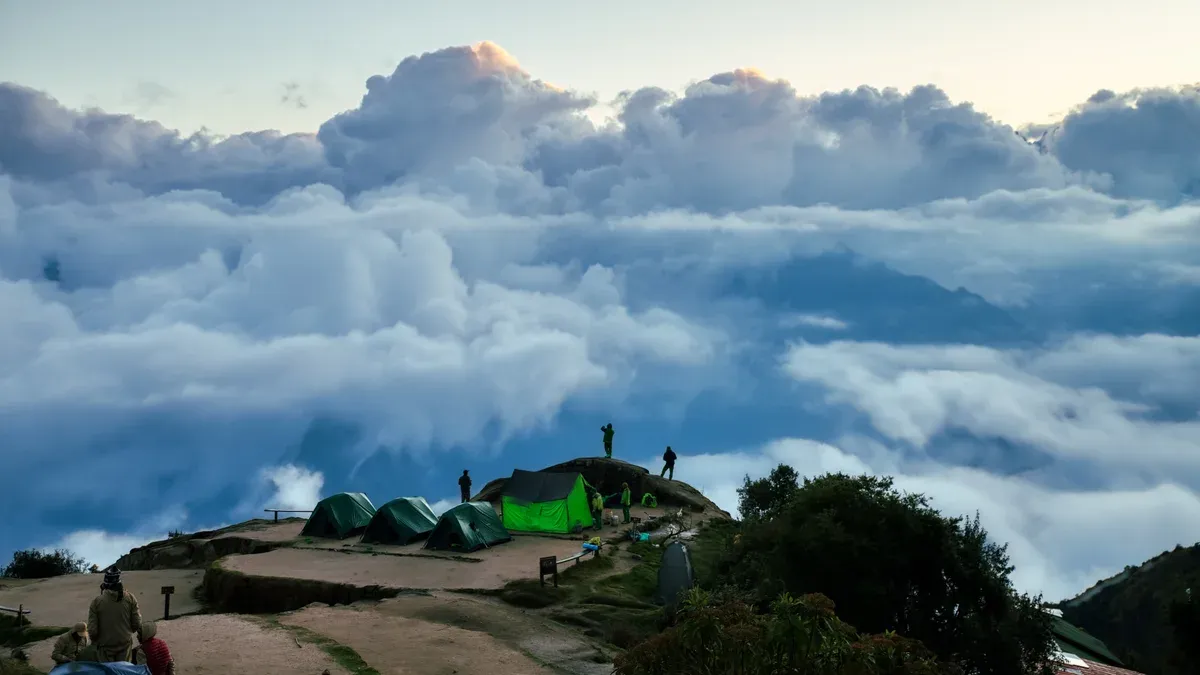
Peak permits for May to September sell out fastest, so operators advise booking 4 to 6 months ahead, and one listing advises at least five months. Above 3,500 metres nights can drop below freezing in any month, and June and July have the hardest frosts. Details on the closure are in the permits section.
| Months | Weather | Trail |
|---|
| May to September | Dry season with crisp sunny days, freezing nights, hardest frost in June and July. August is called one of the best months as the frost fades | Peak season. Permits sell out fastest, book 4 to 6 months ahead |
| October and November | Rain returns in October and November and builds through the rainy season | One operator calls October a shoulder month, another starts the rains in October |
| December and January | Rainy season | Open, but wet. Sources disagree on whether the rainy season starts in October or November |
| February | The wettest month, with heavy rain, landslides, fog and swollen rivers | Closed all month for maintenance, reopens 1 March. Machu Picchu citadel stays open |
| March and April | Rain easing | Reopens 1 March. One operator lists April as a shoulder month |
Altitude
Cusco sits high, and the sources disagree on exactly how high: one guide gives about 3,400 m (11,155 feet), Wikipedia gives 3,200 m and one operator gives 3,450 m. All three are well above the 2,500 m where altitude sickness can start. Symptoms are headache, nausea, fatigue and poor sleep.
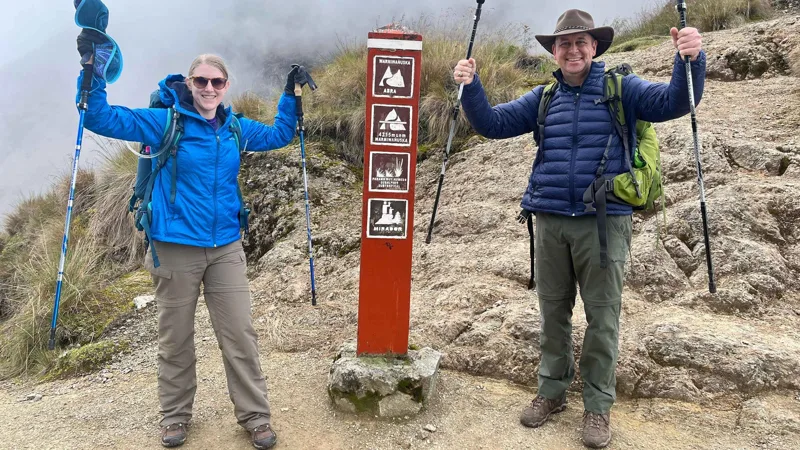
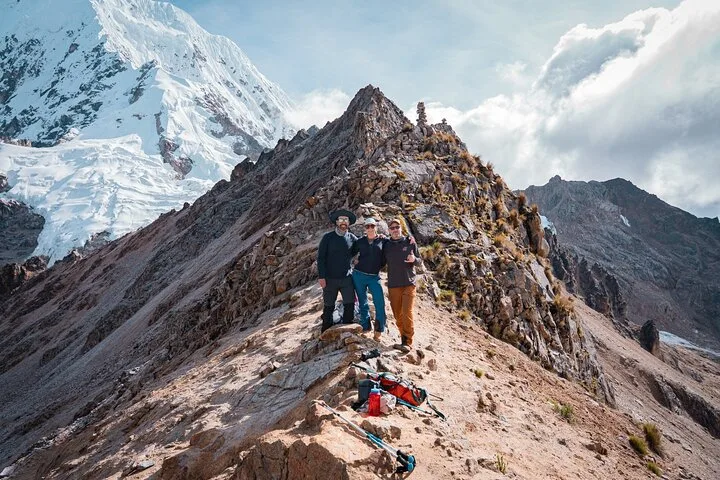
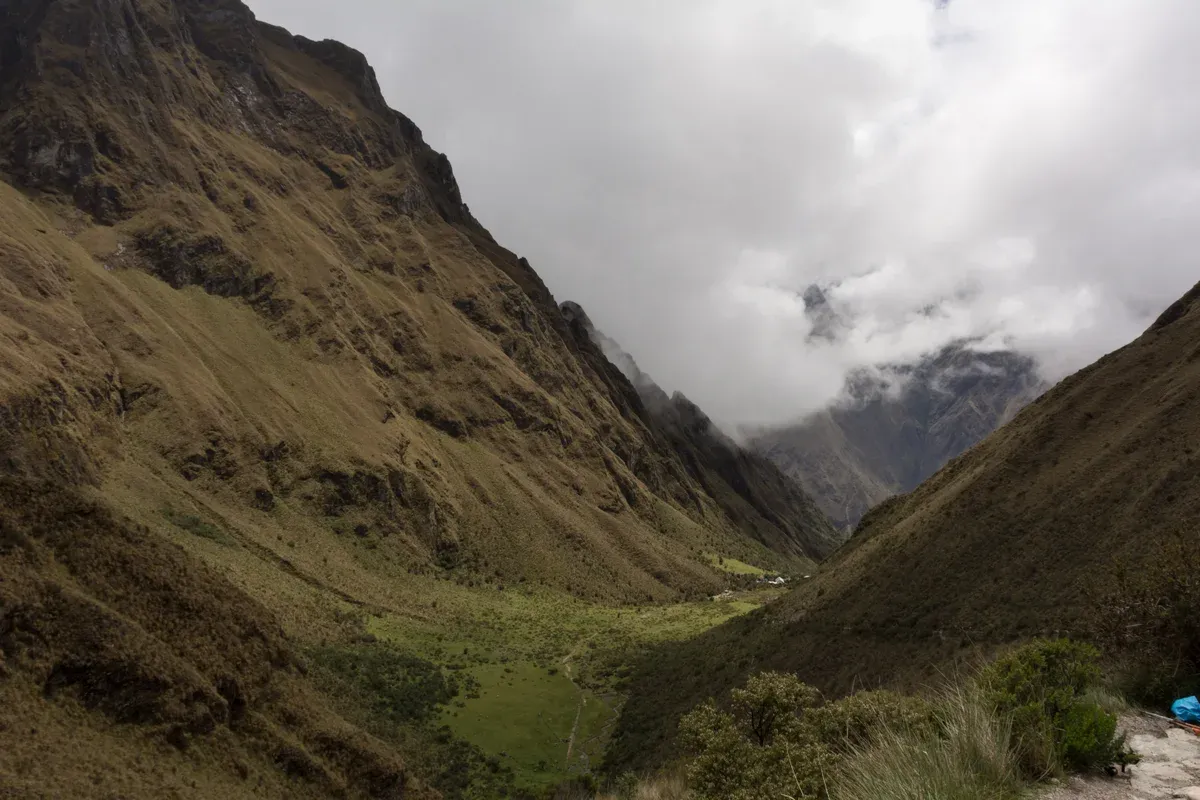
Operators advise at least two nights in Cusco before starting the trail. Machu Picchu itself is nearly 1,000 m lower than Cusco, at 2,430 m, and the Sun Gate sits at about 2,745 m, so the citadel day is easier on the body than the camp nights. The hardest point is Dead Woman's Pass at 4,215 m on day 2, with 4,200 m and 4,222 m given in other sources.
The listings help here: most carry oxygen. Inca Soul Tours lists an emergency oxygen tank, Alpaca Expeditions lists an oxygen tank and satellite phone on its 4-day trek with Vistadome train, AB Expeditions lists emergency oxygen, and Inkayni lists an oxygen bottle and first aid kit on the pick, the private 5-day Inca Trail.
Fitness, Age and Beginners
Can a 70 year old hike the Inca Trail? The listings set their own age bands. Several take bookings for travellers up to 75, among them the 4-Day Inca Trail with Vistadome Train and the Private Short Inca Trail, and the Premium Express Inca Trail runs to 85, while the pick stops at 65. Fitness and acclimatisation matter more than the birthday: two nights in Cusco first and a steady training routine.
Can a beginner do it? Yes, on the short trail. One operator rates the short Inca Trail as moderate against moderate to challenging for the classic route, and it skips camping for a hotel night in Aguas Calientes. Options from $585 with a 4-star hotel are in the short trail section.
How hard is the one-day hike? The Km 104 route is about 12 km (7.5 miles) and takes 6 to 7 hours, or 5 to 8 hours by another operator's count, from about 2,200 m at Km 104 to 2,700 m at Inti Punku. One listing calls it suitable for all fitness levels and runs it as a private day of about 14 hours door to door, at $596, on the private one-day Inca Trail.
Sources: Wikipedia
 Luxury Inca Trail
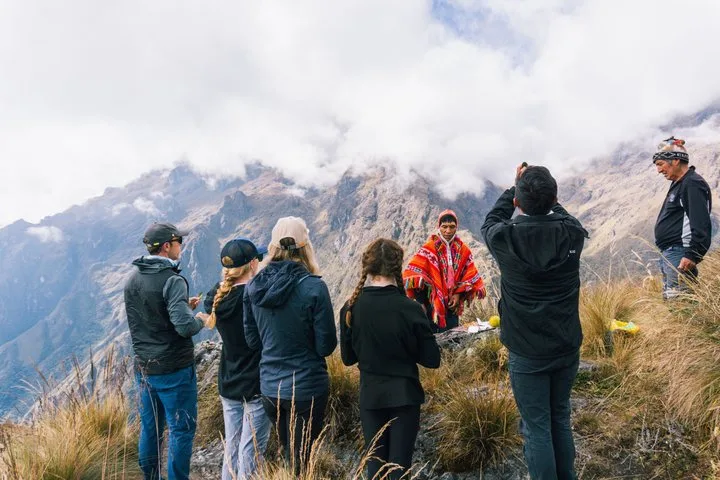 from $6,222
Most luxurious
from $6,222
Most luxurious